A Comfy Night in with All the Other Mothers Hate Me by Sarah Harman
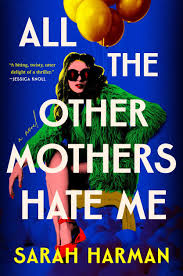
If you love smart, character-driven novels with messy women and biting humor, All the Other Mothers Hate Me by Sarah Harman is one to add to your list.
This novel dives headfirst into the complicated social ecosystem of modern motherhood—where playdates feel like politics, school pickup is a competition, and insecurity simmers just beneath curated perfection. It’s observant, uncomfortable at times, and sharply funny in that “I shouldn’t laugh, but I am” way.
If this sounds like your kind of read, you can find it here: View on Amazon
The Premise
At its heart, this book explores what it feels like to be the outsider. The main character finds herself navigating judgment, comparison, and the subtle (and not-so-subtle) hierarchies that exist in parent circles.
What starts as social anxiety and awkwardness quickly unravels into something deeper—resentment, vulnerability, and the desperate desire to belong.
What I Loved
The razor-sharp social commentary
Harman nails the tension of performative parenting and curated lives. The book feels painfully real at times—especially if you’ve ever felt like you didn’t quite fit into a social group.
The humor
It’s dark, dry, and uncomfortable in the best way. The story doesn’t mock motherhood—it exposes the pressure and absurdity that can come with it.
The emotional honesty
Beneath the satire is a very human story about insecurity, identity, and the fragile line between confidence and comparison.
The Tone
This isn’t a light, cozy read. It leans:
- Darkly humorous
- Socially observant
- Character-driven
- Slightly unsettling
If you enjoy novels about flawed women making complicated choices, this will absolutely work for you.
Final Thoughts
All the Other Mothers Hate Me is perfect for readers who enjoy:
- Satirical women’s fiction
- Books about messy female friendships
- Modern motherhood commentary
- Character-driven contemporary fiction
It’s sharp, self-aware, and at times brutally honest. A compelling reminder that sometimes the harshest judgments we feel are the ones we imagine—or internalize—the most.