Things I Wish I Told My Mother: Book Review, Summary & Ending Explained
Some books are really about the things people say to one another.
Things I Wish I Told My Mother is about all the things they don’t.
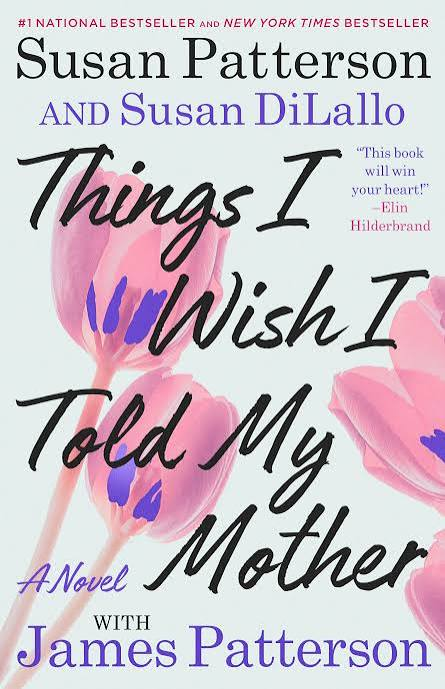
Written by Susan Patterson, Susan DiLallo, and James Patterson, the novel centers on Laurie and her mother, Dr. Liz—two women who love each other but couldn’t be more different in the way they approach life.
Laurie is artistic, spontaneous, and drawn to experiences. Her mother is polished, accomplished, practical, and far more comfortable with facts than feelings.
When Laurie proposes that the two of them take a dream trip together, their journey becomes much more than a vacation. It gives them a chance to revisit old disagreements, uncover family secrets, and finally have conversations that have been waiting years to happen.
And then the book delivers a twist that changes the way you look at much of what came before.
The publisher describes Things I Wish I Told My Mother as a mother-daughter novel about secrets, hopes, and a trip to Paris, and specifically recommends it to readers who enjoyed One Italian Summer.


What Is Things I Wish I Told My Mother About?
At the center of the story are Laurie and her mother, Elizabeth—or “Dr. Liz.”
They have the kind of mother-daughter relationship in which love is clearly there, but understanding doesn’t always come as easily.
Laurie is much more free-spirited. Liz is a successful doctor, perfectionist, and a woman accustomed to keeping her emotions carefully contained.
After a health scare, Laurie decides they need to do something they’ve never really done before: spend meaningful time together.
She plans a trip to Paris.
As their travels continue, old memories resurface and conversations that have been avoided for years finally start happening. The women talk about love, regret, relationships, family history, and the very different ways they’ve experienced their relationship with one another.
The trip eventually extends beyond Paris and forces both women to confront things they might have preferred to leave buried.
Things I Wish I Told My Mother Book Review
What makes this book interesting isn’t simply the vacation.
It’s the gap between what Laurie wants from her mother and what Liz actually knows how to give.
That distinction makes the relationship feel familiar in a way that many readers will probably recognize.
Parents and children don’t necessarily express love in the same language. One person may desperately want reassurance, praise, or emotional openness while the other believes they’ve demonstrated love through actions, responsibility, or simply always being there.
That tension is what gives the novel much of its emotional weight.
The travel setting keeps the story moving, but the real journey is the gradual change in the relationship between Laurie and Liz.
There are lighthearted moments, uncomfortable conversations, family revelations, romance, regret, and eventually a much deeper understanding of who these two women really are outside of simply being “mother” and “daughter.”
Why the Mother-Daughter Relationship Works
The title tells you what the book is really about.
There are things Laurie wishes she had told her mother.
There are things Liz has never managed to tell Laurie.
And both women have made assumptions about what the other thinks and feels.
The book gradually dismantles some of those assumptions.
That’s why I’d describe this primarily as a mother-daughter novel, rather than simply a travel story.
Readers searching for books about mothers and daughters will probably recognize many of its themes:
- Unspoken expectations
- Different definitions of success
- Family secrets
- Regret
- Aging parents
- Adult daughters redefining their relationships with their mothers
- Love that isn’t always expressed perfectly
That also explains why the book sits naturally beside novels like One Italian Summer. The publisher makes that comparison directly.
Who Should Read Things I Wish I Told My Mother?
I’d recommend this book for readers who enjoy emotional contemporary fiction, complicated family relationships, mother-daughter stories, travel settings, family secrets, and books that mix lighter moments with more serious themes.
It’s particularly suited to readers who enjoy stories about adult children finally seeing their parents as people, rather than only as Mom or Dad.
And if you like books where a late revelation forces you to reconsider everything you’ve just read, this one definitely has something waiting for you.
Is Things I Wish I Told My Mother a Sad Book?
There are funny, warm, romantic, and genuinely enjoyable moments throughout the story, so I wouldn’t describe the entire novel as sad.
But grief and regret are central to what the story ultimately becomes.
The emotional impact comes largely from looking backward at things that were said, things that weren’t said, and opportunities that can’t necessarily be recreated.
So while the book has a relatively light and accessible style, the underlying subject matter becomes much more emotional than the vacation premise initially suggests.
Things I Wish I Told My Mother Ending Explained
Major spoilers begin here. If you haven’t finished the book, stop reading now.
The book’s biggest revelation is that the mother-daughter trip we’ve been following didn’t actually happen the way Laurie has narrated it.
Laurie’s mother died shortly after the hospital conversation in which Laurie suggested they take the trip together.
Liz’s final wish was essentially for Laurie to make the journey anyway and imagine the experiences and conversations they might have shared.
That revelation reframes much of the novel.
The conversations Laurie has spent the story having with her mother aren’t simply about repairing their relationship in the present. They’re Laurie’s attempt to understand her mother—and perhaps give herself some of the conversations and closure she never had the chance to experience in real life.
After her mother’s death, Laurie does travel and learns more about Liz’s past and family. The imagined journey becomes part of Laurie’s process of grief and understanding.
The emotional idea behind the ending is less about whether every imagined conversation would have happened exactly that way and more about Laurie finally recognizing something important:
Her mother may not have loved her in precisely the way Laurie wanted to receive love, but that doesn’t mean the love wasn’t there.
A detailed plot guide likewise describes the trip as an imagined journey created after Liz’s death, prompted by a letter Liz left behind encouraging Laurie to travel and tell their story.
What Does the Ending Mean?
For me, the central idea can be summed up like this:
People don’t always give us love in the form we wish they would.
Parents are imperfect.
Children misunderstand them.
Families avoid conversations until suddenly there isn’t time left to have them.
The ending turns the title from a simple reflection into something much more painful.
There really are things Laurie wishes she had told her mother.
But the story also asks readers to think about what their parents may have wanted to say to them and simply didn’t know how to express.
Is Things I Wish I Told My Mother Worth Reading?
If you enjoy character-driven novels about family relationships, this is worth considering.
The book is relatively accessible and moves easily between travel, humor, relationships, family secrets, and more emotional material.
But the reason you’ll probably remember it isn’t Paris.
It’s the idea behind the title.
Almost everyone has something they wish they’d said to someone while they still had the chance.
And that’s what gives this story its emotional pull.
Final Thoughts
Things I Wish I Told My Mother begins as a mother-daughter vacation story and ultimately becomes something much more reflective.
It’s about how difficult it can be to really know our parents, how much remains unspoken inside families, and how our understanding of the people we love can continue changing even after they’re gone.
It might also leave you thinking about a deceptively simple question:
What are the things you haven’t told your mother yet?